


Hi, I’m Rob Bekker.
Freelance Senior UX/UI & Product Designer.
I design digital products and services that people actually enjoy using and that teams can really build on.
As a designer I am an advocate for both the user and the product strategy. I love taking messy problems and turning them into clear journeys, clean interfaces and scalable design systems. Most of my work sits at the crossroads of UX design, UI design, product thinking and creative direction, often for apps and web platforms that have to serve a lot of different users.
I believe in user centered design, not just as a buzzword but as a working method. I test and validate ideas through research, prototypes and data, then refine the details so the experience feels simple, fast and human. At the same time I think in systems. I set up flexible design systems and atomic design libraries that make it easier for teams to launch, iterate and stay consistent without slowing down.
If you are looking for someone who can move comfortably between strategy and pixels and leave you with a product that is both loved by users and ready to scale, you are in the right place.
-

User Centered Design (UCD)
My starting point is always the person on the other side of the screen.
I look at usability goals, user characteristics, tasks and real workflows, then design flows, interfaces and content that feel natural for them. The goal is simple: the person using your app or website should be able to achieve what they came for with as little friction as possible.
That can mean clearer navigation, fewer steps, better microcopy or a completely new flow. Whatever the solution, the result should be an environment that feels seamless, intuitive and enjoyable, so people come back because it just works.
-

Atomic design in practice
Atomic design helps me turn complex interfaces into something manageable and consistent.
By breaking a product down into atoms, molecules and organisms I can prototype and test quickly, then update patterns without breaking the whole system. It makes design more modular and keeps teams aligned on how things look and behave.
For users this translates into an experience that feels intuitive and predictable, even as new features are added. For teams it means faster iterations, clearer handovers to development and less time spent reinventing the same components over and over again.
-

Design systems that scale
A good design system is like a toolkit for your product.
I set up design systems that include component libraries, layout patterns, typography, colour, interaction rules and documentation. They often sit alongside coded components and guidelines so design and development stay in sync.
The payoff is big: faster builds through reusable components and variants, a stronger and more consistent design language across all touchpoints and a product that is easier to maintain and scale without adding technical debt. Instead of fighting the system, your teams can focus on solving new problems and shipping better features.

I’ve had the pleasure to work for:


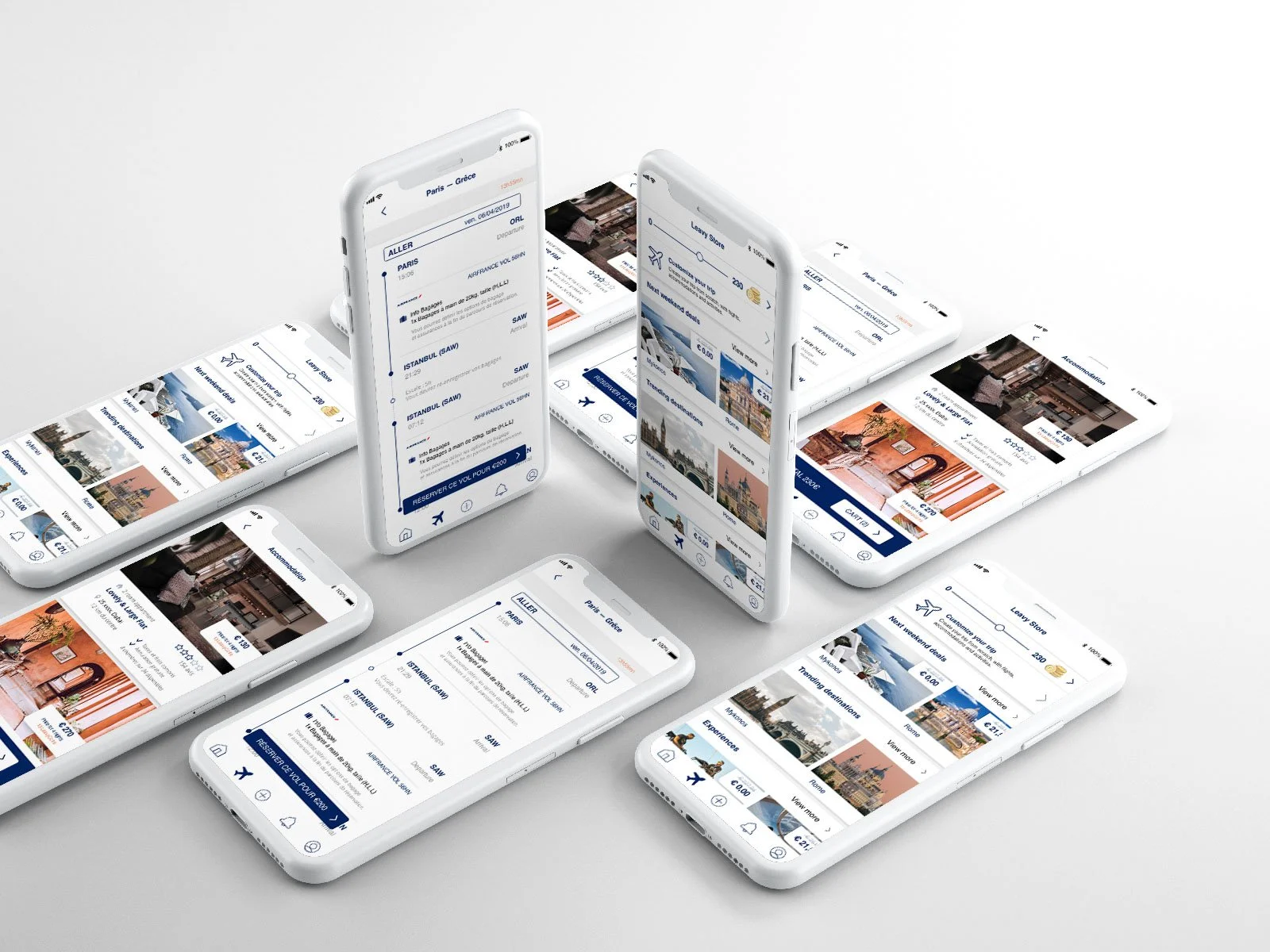
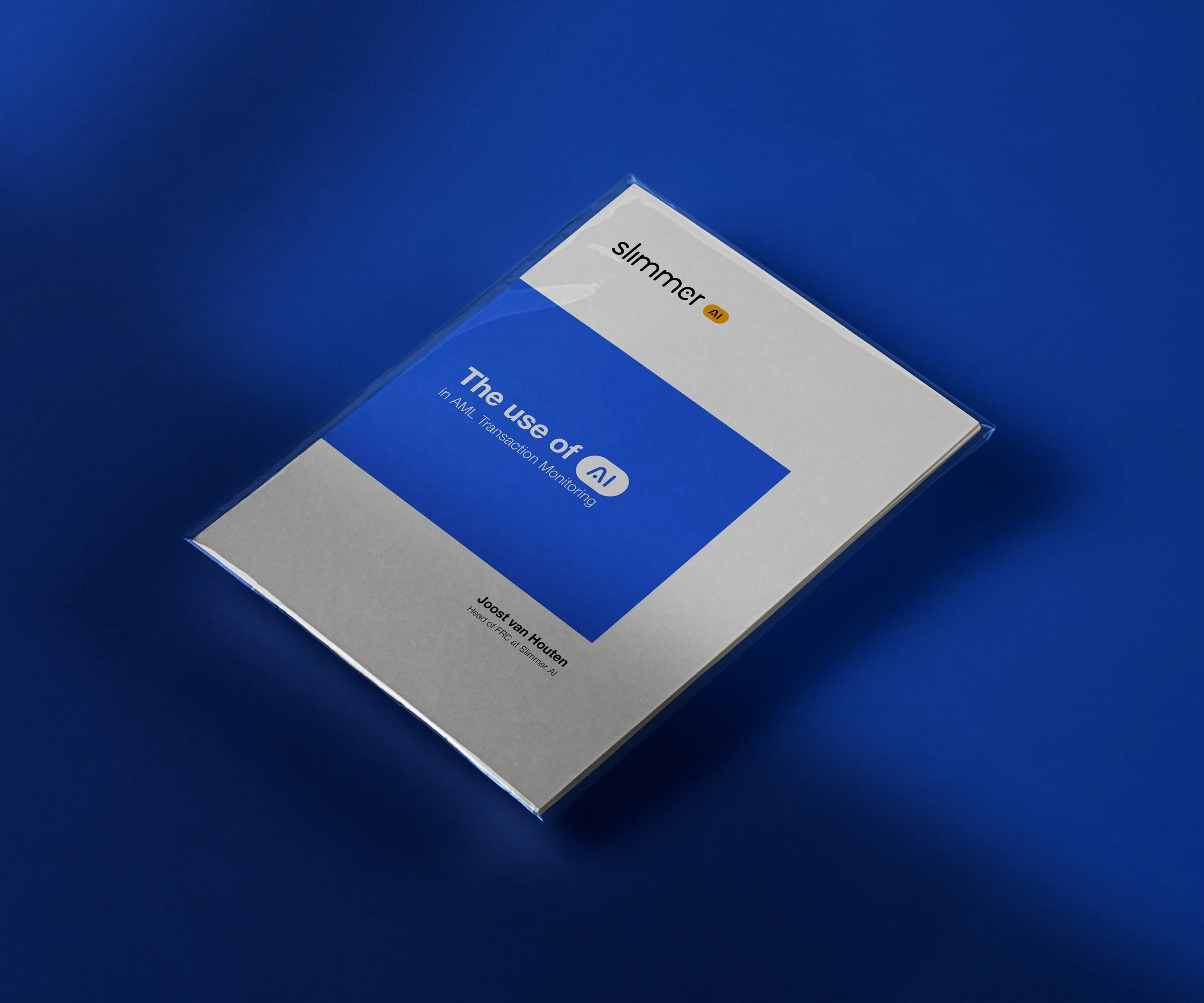
Recent cases:



The tools I use
-

Figma
-

Sketch
-

Adobe XD
-

Photoshop
-
Illustrator
-

After Effects
-

Lightroom
-

Indesign
-

InVision
-

Zeplin
-

Google Analytics
-

Miro
-

Asana
-

Hotjar
-

Azure
-

Jira
-

Trello
-

CaptureOne
Let’s work together!
rob.bekker@gmail.com
+31 6 81 78 78 72